An independent magazine exploring work, culture and technological change
We founded Traversées in 2026 to explore how work is changing in the digital age. Our research examines how technology, particularly artificial intelligence, is reshaping creative professions and cultural institutions: their practices, skills, organisations, and ways of producing and sharing work. These are our starting points for exploring broader questions about work, culture and technology. Our research begins on the ground, with the people doing the work and the changes they experience in their everyday lives.
Our contributors

Lisa Amari
PhD in the sociology of work. Paris-Saclay University.
Investigates how digital technologies and artificial intelligence are transforming work in cultural institutions. Her research focuses on professions in communications, marketing and audience engagement, as well as changes in practices, skills and organisations.
Cultural work · Digital technologies and AI · Organisational change
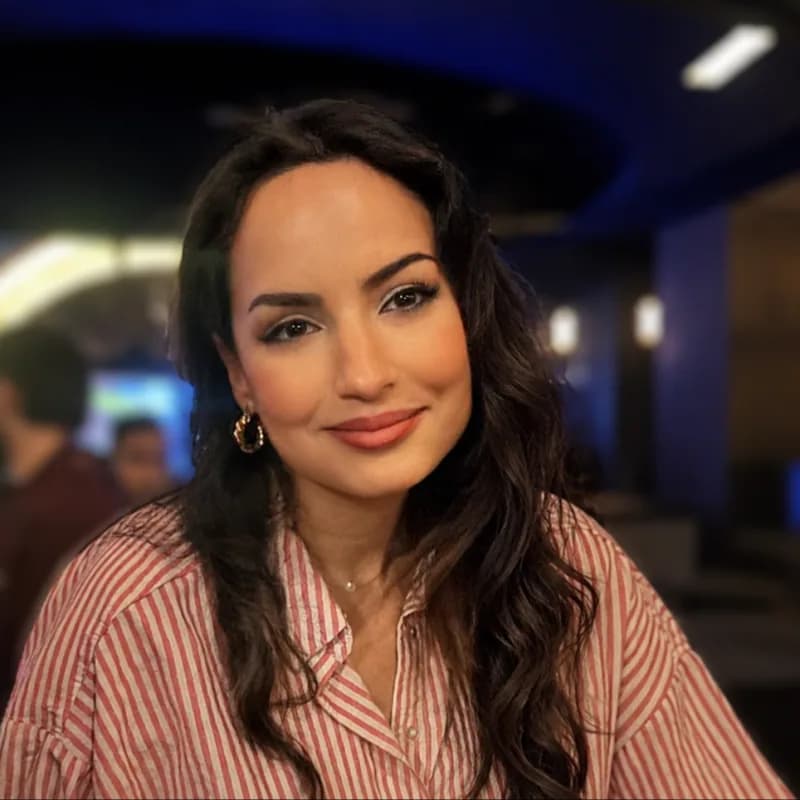
Rania Bouabdallah
PhD in the sociology of work. Paris-Saclay University.
Investigates how digital technologies and artificial intelligence are transforming creative professions. Her research ranges from storyboarding to the visual arts, taking in writing and audiovisual production, with a focus on skills, professional identities and new divisions of labour.
Creative occupations, the studio, aesthetic judgement
Our approach
At Traversées, we start with what happens in practice. Our articles draw on fieldwork, interviews, observation, data, archives and academic research. Our methods vary with the subject, but we always pay close attention to our sources, the context and the limits of what we can claim.
Start with lived experience
We focus on concrete situations, everyday practices and the experiences of the people we meet. Whether we are looking at a tool, a wider change or a controversy, our first question is what difference it makes in practice.
Be clear about our methods
For each study, we explain the evidence it draws on: interviews, observation, data, documents or academic literature. Where the circumstances of the research shape our analysis, we make that clear.
Protect the people who take part
We may anonymise participants when their circumstances call for it. We keep quotations in context and do not publish details that could expose people to unnecessary harm.
Acknowledge the limits
No single study tells the whole story. We distinguish between what our evidence can establish, the interpretations it supports, and what remains uncertain.
Editorial independence
Traversées is an independent publication and cultural initiative. The people and organisations we study do not dictate our editorial choices, our analysis or our conclusions. We clearly disclose any partnership or funding associated with a piece of work.
Sharing our sources where we can
We explain which sources and research materials inform our articles. Where data, documents or other resources can be shared without revealing confidential information about the people or organisations involved, we make them available alongside the article. Research commissioned through Entreprendre & Comprendre remains confidential. The reports, data and source materials are not published. If the client wishes, insights from the research may inform a separate article in Traversées, provided it fits the magazine’s editorial focus. The client must approve the final text in writing before publication.
Coming soon
You work in these jobs and something has shifted
We are always looking for new fieldwork. Writing to us commits you to nothing, and every preliminary exchange stays confidential.
Write to the editors